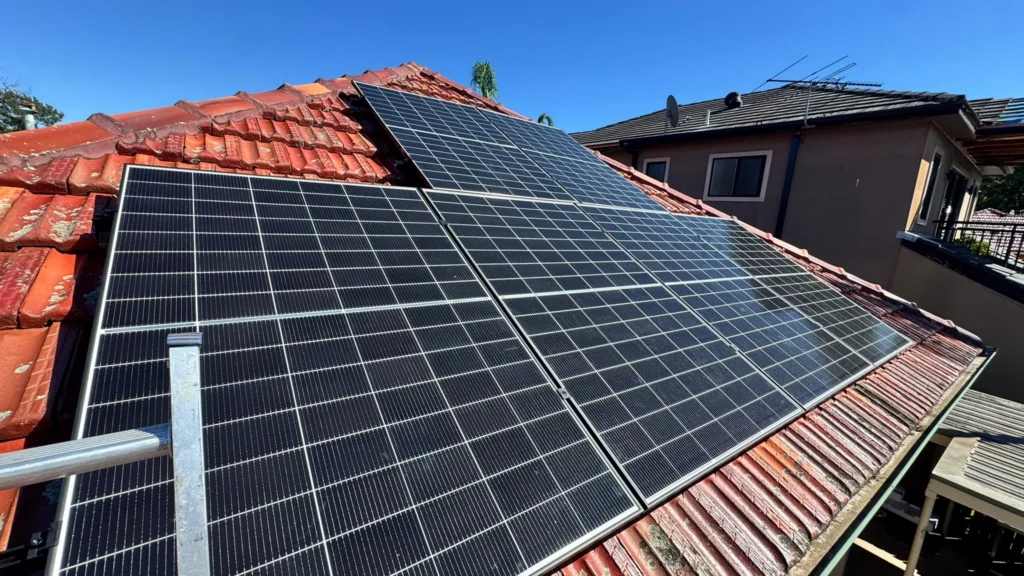
If your solar system is not producing enough power, the most common causes are shading, dirty panels, inverter faults, poor installation angles, ageing components, or electrical issues. In Australia, extreme heat, dust buildup, coastal salt corrosion, storm damage, and seasonal sunlight changes can also reduce output. Identifying the exact cause early can prevent long term losses and protect your investment.
Solar energy is one of the most effective ways for Australian homeowners and businesses to reduce electricity bills and lower their environmental impact. With abundant sunshine across most of the country, solar systems generally perform very well. However, when performance drops unexpectedly, it can be frustrating and costly. Understanding how your system works and what affects its output will help you take the right steps to restore efficiency.
Real Issues We See in Australian Solar Systems
Over the past several years, licensed electricians across Australia have inspected hundreds of underperforming solar systems. The most common problems include heavy dust accumulation in dry regions, salt corrosion in coastal suburbs, incorrectly installed north-facing panels with improper tilt angles, ageing inverters that were never serviced, and wiring issues caused by extreme heat exposure.
In many cases, homeowners assumed cloudy weather was the cause, when a simple inverter reset or professional panel cleaning restored normal output within days.
How a Solar System Works
- Solar panels convert sunlight into DC electricity.
- Inverter converts DC electricity into usable AC power for your property.
- Battery storage stores surplus electricity for later use, if installed.
- Electrical wiring and switchboard distribute power safely throughout the building.
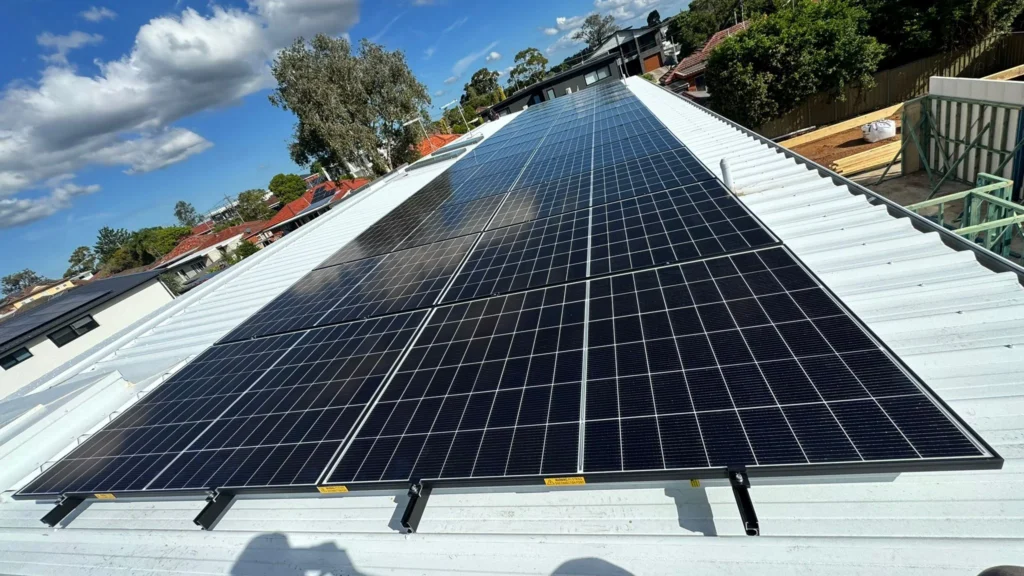
Common Reasons Your Solar System Is Underperforming in Australia
1. Shading From Trees or Nearby Structures
Shading is one of the most frequent causes of low solar output. In suburban and regional Australia, mature trees, neighbouring homes, chimneys, antennas, and even new developments can block sunlight. Even partial shading on one panel can affect the performance of the entire string of panels.
What to do:
- Trim overhanging branches where possible.
- Consider microinverters or power optimisers to reduce the impact of shading.
- Arrange for a professional inspection to evaluate panel positioning.
A qualified team such as Charlie Sparks can assess shading issues and recommend practical solutions suited to Australian properties.
2. Dirt, Dust, and Bird Droppings
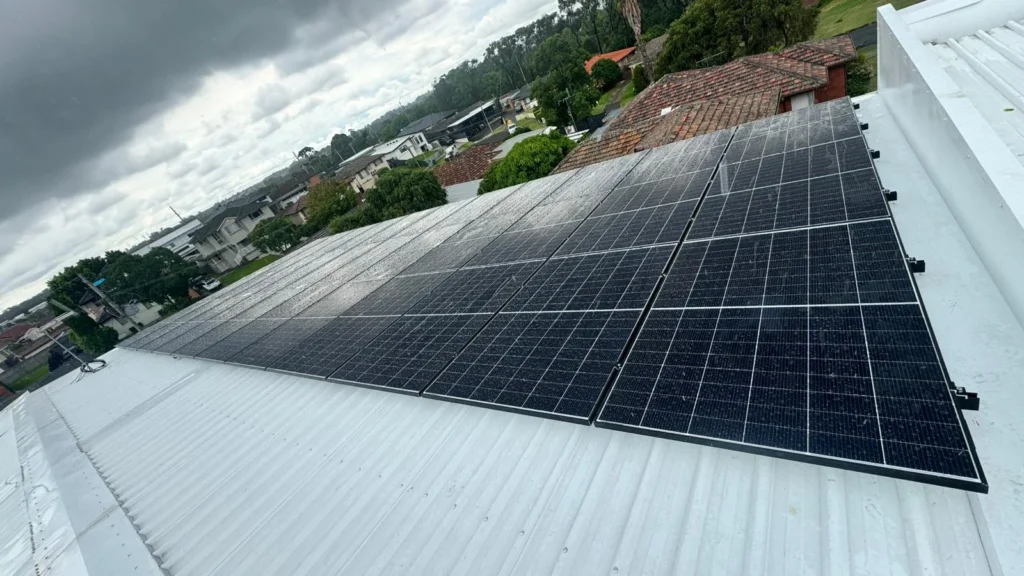
Australia’s climate presents unique challenges. In dry and rural areas, dust buildup can significantly reduce panel efficiency. Coastal homes may experience salt residue, while urban areas often deal with pollution and bird droppings.
What to do:
- Schedule professional cleaning once or twice a year.
- Inspect panels after dust storms or heavy rain.
- Avoid abrasive cleaning tools that can damage the glass surface.
Regular maintenance can restore several percentage points of lost efficiency.
3. Faulty or Failing Inverter
The inverter is often called the heart of the solar system. If it malfunctions, your panels may still generate DC electricity, but it will not be converted into usable AC power.
Signs of inverter issues include:
- Error messages on the display
- Warning lights
- No output recorded in your monitoring system
What to do:
- Check the inverter screen for alerts.
- Perform a manufacturer approved reset.
- Contact a licensed solar electrician if the issue continues.
If you suspect inverter trouble, contact Charlie Sparks for a professional assessment and repair.
4. Incorrect Panel Angle or Orientation
In Australia, north-facing panels generally perform best for maximum year round output. The optimal tilt angle depends on your state and latitude. Panels installed too flat or facing the wrong direction may not capture sufficient sunlight, particularly during winter months in southern states such as Victoria or Tasmania.
What to do:
- Have a solar expert review your installation angle.
- Consider adjusting tilt if your mounting system allows.
- Evaluate whether repositioning panels is worthwhile.
5. Seasonal and Weather Variations
Although Australia receives strong sunlight, seasonal changes still affect production. Winter brings shorter days and lower sun angles, particularly in southern regions. Cloud cover, heavy rain, and storm activity can also temporarily reduce output.
Extreme heat is another factor. While solar panels need sunlight, very high temperatures can slightly reduce efficiency.
In many parts of Australia, winter production can drop between 20 percent and 40 percent compared to peak summer months. However, if your system is producing far less than its expected seasonal average based on historical monitoring data, it may indicate a technical issue rather than normal variation.
Monitoring tools are essential for distinguishing between weather related changes and genuine performance problems.
6. Ageing Solar Panels
Solar panels gradually lose efficiency over time, typically around 0.5 to 1 percent per year. After 10 to 15 years, noticeable reductions may occur.
If your system is older, the reduced output may be due to natural degradation or outdated technology.
What to do:
- Arrange a performance test.
- Compare current production with original system specifications.
- Consider upgrading to newer, higher efficiency panels if the system is nearing the end of its lifespan.
7. Electrical Wiring or Connection Problems
Loose connections, damaged wiring, or corrosion can disrupt energy flow. In Australia, extreme heat, UV exposure, and occasional severe storms can accelerate wear and tear.
Electrical faults are not only performance issues but also safety risks.
What to do:
- Never attempt complex electrical repairs yourself.
- Hire a licensed solar electrician to inspect wiring and connections.
- Ensure compliance with Australian electrical safety standards.
8. Lack of Monitoring
Many homeowners only notice a problem when their electricity bill increases. Without monitoring software, performance drops can go undetected for months.
Modern solar systems often include apps or web portals that track daily and monthly production.
What to do:
- Install or activate monitoring tools.
- Set alerts for sudden drops in output.
- Review data regularly, especially after storms.
Why Professional Diagnosis Matters
- Perform detailed performance testing
- Identify hidden faults
- Ensure compliance with Australian electrical codes and safety regulations
- Recommend cost effective upgrades
Preventative Maintenance Tips
- Inspect panels visually for debris
- Clean panels using safe, non abrasive methods
- Monitor inverter performance weekly
- Schedule annual inspections
- Keep maintenance records
Why Choose Charlie Sparks for Solar Services
- Comprehensive solar inspections
- Inverter diagnostics and replacement
- Electrical safety checks
- System upgrades and optimisation
- Transparent pricing and professional support
- Fully licensed and insured solar electricians compliant with Australian standards
Quick Checklist Before Calling an Electrician
- Is the inverter display showing an error code?
- Are the panels visibly covered with dirt or debris?
- Has new shading appeared from tree growth or nearby construction?
- Has your monitoring app stopped updating?
- Have you compared current production with the same month last year?
Get Your Solar System Back to Full Performance
If your solar system is not producing enough power, do not ignore the warning signs. Delays can lead to higher electricity bills and further equipment damage.
Contact Charlie Sparks today to schedule a full system inspection and restore your solar performance.
Frequently Asked Questions
Why is my solar system producing less power than last year?
Do solar panels work during Australian winters?
How often should solar panels be cleaned in Australia?
How long do solar inverters last?
Is it worth upgrading an older solar system?
If your system is more than 15 years old, upgrading panels or inverters can improve efficiency and increase overall output. A professional evaluation can determine whether an upgrade is cost effective.
If you are unsure why your system is underperforming, a qualified solar electrician can quickly identify the cause and recommend the right solution.