
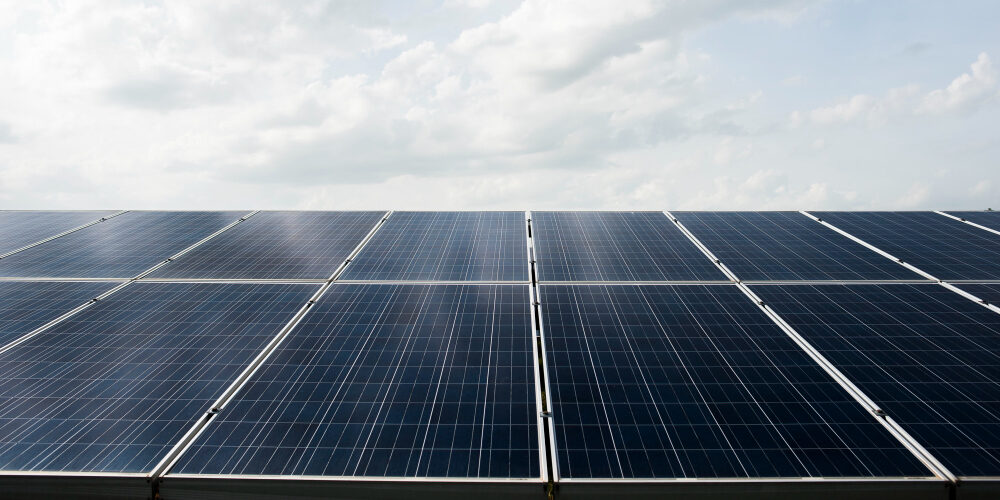
Proper solar panel placement and orientation are important because they directly affect how much electricity your system generates and how quickly it pays for itself. In Australia, panels that are positioned to receive maximum sunlight throughout the day will produce more energy, reduce reliance on the grid and deliver stronger long term savings. With careful planning and the right advice, you can significantly improve performance without increasing system size.
At Charlie Sparks, we have assessed and installed solar systems across Sydney and wider NSW, and we consistently see performance differences of 10 to 25 per cent between optimised and poorly positioned systems. Proper planning before installation prevents underperformance and protects your long term savings.
Australia is fortunate to have abundant sunshine across most regions, from Sydney and Brisbane to Perth and Adelaide. However, even in a sun rich country, not all rooftops perform equally. Roof direction, pitch, shading and local climate all influence output. By applying smart Solar Panel Placement Optimisation Tips, homeowners and businesses can get more from their solar investment.
The Importance of Sunlight Exposure
The first step in maximising efficiency is assessing sunlight exposure. Solar panels generate the most electricity when they receive consistent, direct sunlight for as many hours of the day as possible.
Before installation, it is essential to evaluate:
- Areas of the roof that receive full sun
- Seasonal changes in shading
- Nearby trees, buildings or structures that may cast shadows
Even partial shading on one panel can affect the performance of the entire string in a traditional system. This is why a professional shading assessment is strongly recommended. In many cases, trimming trees or adjusting panel layout can make a noticeable difference in annual output.
Ideal Orientation in Australia

In the Southern Hemisphere, north facing panels generally provide the highest energy yield. This is because the sun travels across the northern part of the sky.
According to Australian solar performance data, north facing systems in NSW typically generate the highest annual yield, while east and west systems can still achieve strong returns when designed around household consumption patterns.
For most Australian homes:
- North facing roofs generate the most electricity overall
- North east and north west orientations still perform very well
- East facing panels produce more power in the morning
- West facing panels generate more in the afternoon
If your household uses more electricity in the late afternoon and evening, a west facing configuration may help offset peak grid costs. Orientation should therefore align not only with sunlight patterns but also with your usage habits.
Applying Solar Panel Placement Optimisation Tips means considering both total generation and the timing of that generation.
Roof Angle and Tilt
Panel tilt plays a key role in solar efficiency. As a general rule, the optimal tilt angle is close to your geographical latitude.
For example:
- Sydney sits at approximately 34 degrees south, so a tilt angle around 30 to 35 degrees is often suitable.
- Brisbane at around 27 degrees south benefits from a slightly lower tilt.
- Melbourne and Hobart may benefit from a slightly steeper angle due to their southern location.
If your roof pitch is within 10 degrees of the ideal tilt, mounting panels flush with the roof is usually effective and cost efficient. For flat roofs, tilt frames can be installed to achieve a better angle and improve drainage.
Correct tilt ensures panels receive strong sun exposure in both summer and winter, balancing year round performance.

Managing Shading and Obstructions
Shading is one of the most common causes of underperformance. Trees, neighbouring properties, chimneys and even satellite dishes can reduce output.
A professional shading analysis identifies:
- The time of day shading occurs
- Seasonal differences
- The percentage of panel coverage affected
Modern solutions such as microinverters or power optimisers can reduce the impact of partial shading by allowing each panel to operate independently. However, good physical placement remains the most effective strategy.
In urban areas like Sydney, where homes are often close together, this step is particularly important.
Considering Solar Tracking Systems
For properties with sufficient space, solar tracking systems can further increase energy generation. These systems adjust the angle of panels throughout the day to follow the sun’s movement.
Tracking systems can boost output compared to fixed systems, but they are more common in ground mounted commercial installations due to higher costs and maintenance needs. For most residential rooftops, optimised fixed positioning delivers excellent value.
Climate and Regional Factors
Australia’s climate varies significantly. Coastal areas may experience salt air exposure, while inland regions can face high temperatures and dust.
High temperatures can slightly reduce panel efficiency, so adequate airflow beneath panels is important. Proper mounting allows heat to dissipate and supports consistent performance.
In cyclone prone areas of Queensland, installation must also comply with strict wind load standards. Professional installers understand local regulations and engineering requirements.
Aligning Placement with Energy Goals
Every household has different energy usage patterns. Some families consume most electricity during the day, while others use more in the evening.
When planning panel placement, consider:
- When your household uses the most electricity
- Whether you plan to install a battery in the future
- Your long term goals for reducing grid reliance
A system designed around your lifestyle will provide stronger financial outcomes than one based solely on roof direction.
Why Professional Assessment Matters
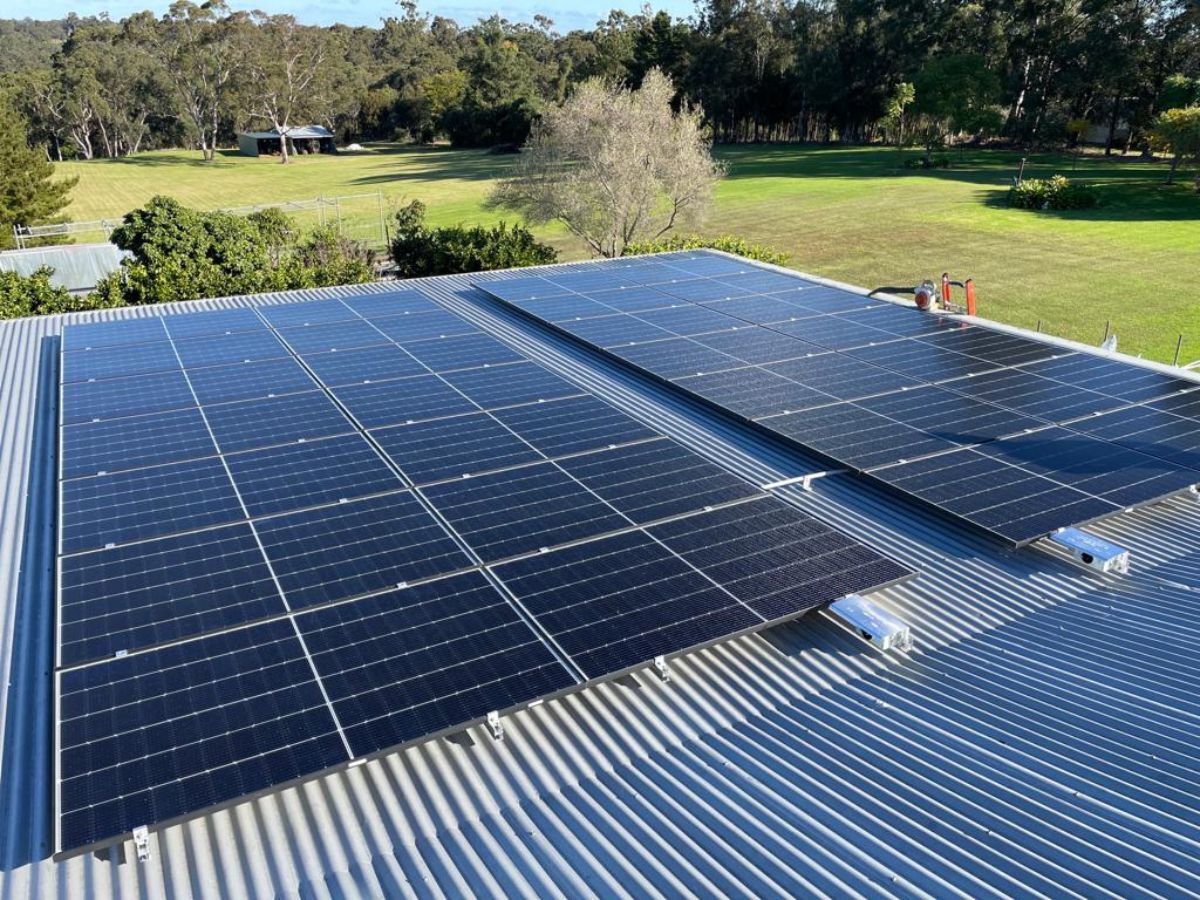
Although general guidelines are helpful, each property is unique. Roof shape, structural integrity, switchboard capacity and local council requirements all influence installation decisions.
Working with experienced professionals ensures:
- Accurate site assessment
- Compliance with Australian standards
- Optimised panel layout
- Safe electrical integration
Our installers follow Clean Energy Council guidelines and Australian Standards for grid connected solar systems, including AS/NZS 5033 and AS/NZS 4777, to ensure safe system design, correct inverter placement and compliant electrical connections.
Charlie Sparks specialises in helping homeowners and businesses maximise performance through careful design and placement strategies. If you are considering solar, it may be worthwhile speaking with the team to explore your options.
Long Term Benefits of Correct Placement
Getting placement right from the start delivers measurable advantages:
- Higher annual energy production
- Faster return on investment
- Lower electricity bills
- Reduced carbon footprint
- Improved system lifespan
For example, a typical 6.6 kW system in Sydney that is correctly oriented and free from shading can produce thousands of kilowatt hours more over 20 years compared to a poorly positioned system, directly increasing bill savings and reducing payback time.
A well positioned system can generate thousands of dollars more in savings over its lifetime compared to a poorly placed one.
If you would like personalised advice on improving output or planning a new installation, Charlie Sparks can provide guidance tailored to Australian conditions and your specific property.
Take the Next Step
Solar is a long term investment, and thoughtful planning makes all the difference. From assessing roof orientation to conducting shading analysis, the right decisions at the design stage determine overall performance.
For homeowners ready to move forward, contact Charlie Sparks today to book a professional solar assessment and secure a system designed for maximum efficiency and savings.
Frequently Asked Questions
Why is proper solar panel placement and orientation important?
Correct placement ensures panels receive maximum sunlight, which increases electricity production and improves financial returns. Poor positioning can significantly reduce output over the life of the system.
What is the ideal direction for solar panel orientation in Australia?
North facing panels generally produce the highest annual output in Australia. North east and north west orientations also perform well and can suit households with specific usage patterns.
How should solar panels be tilted?
The ideal tilt angle is usually close to your local latitude. In Sydney, around 30 to 35 degrees is often effective. However, roof pitch and structural considerations also influence final positioning.
Do east or west facing panels work in Australia?
Yes. East facing panels generate more energy in the morning, while west facing panels produce more in the afternoon. These options can be beneficial depending on when your household consumes electricity.
Can shading really make a big difference?
Yes. Even minor shading can affect performance. Conducting a shading assessment and applying Solar Panel Placement Optimisation Tips helps minimise losses and maintain strong system output.
If you are planning to install solar or want to improve your existing system’s performance, consider reaching out to Charlie Sparks for expert advice and practical solutions suited to Australian homes and businesses.