
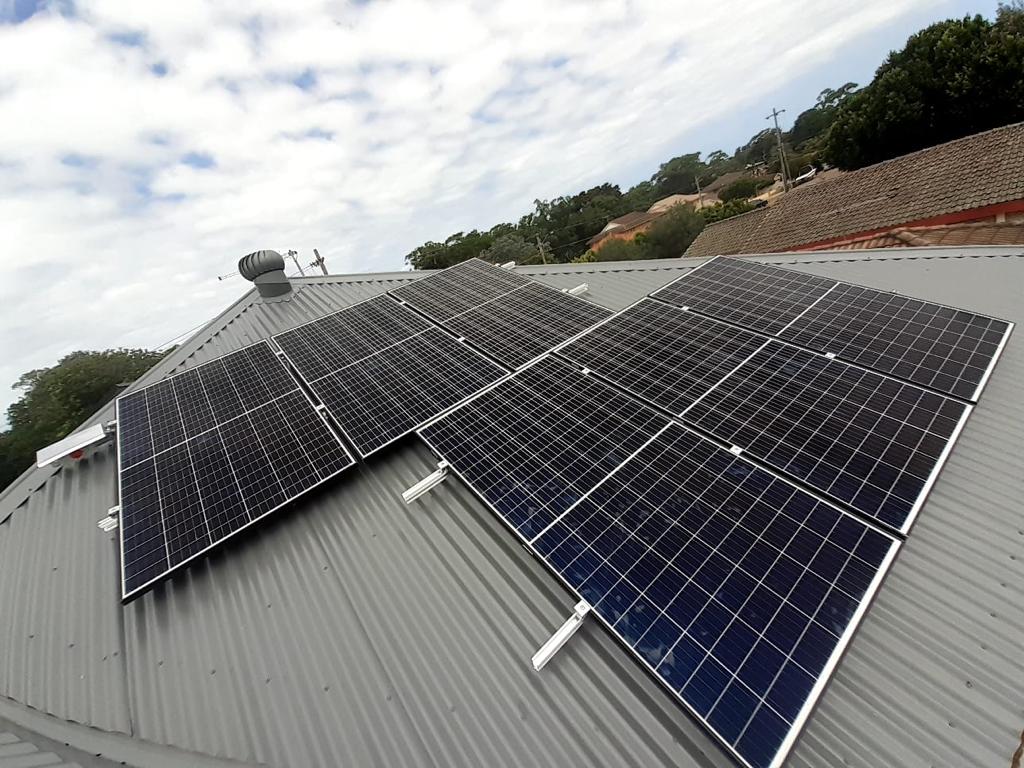
If you are wondering what to consider when installing a 5 kW solar power system, the short answer is this: assess your energy usage, check whether your roof is suitable, choose quality components, understand the financial return, and work with a qualified Australian installer. A 5 kW system is one of the most popular choices for households across Australia because it balances affordability with meaningful energy savings.
At Charlie Sparks Solar, we have installed 5 kW systems across a wide range of Australian homes, from single-storey suburban properties to double-storey builds with limited roof space. Our experience shows that system performance varies significantly depending on roof orientation, daytime usage habits, and local climate conditions.
With rising electricity prices and greater awareness of environmental impact, more homeowners are turning to solar to reduce bills and lower household emissions. A well-designed 5 kW solar power system can significantly offset your daytime electricity consumption and provide long-term value. However, the outcome depends on careful planning and informed decisions.
Assess Your Household Energy Needs
Before installing solar, review your current electricity usage. Look at your recent power bills and note your average daily consumption in kilowatt-hours. Also consider:
- The size of your home
- The number of people living in the property
- High-energy appliances such as air conditioners, pool pumps and electric hot water systems
- Peak usage times, especially during summer
In many Australian homes, a 5 kW system produces around 18 to 22 kWh per day, depending on location, roof orientation and weather conditions. For example, a 5 kW system in Brisbane or Perth will typically produce more annual output than the same system installed in Melbourne or Hobart due to higher average solar irradiation levels. For households with moderate daytime usage, this capacity is often suitable. If your consumption is significantly higher, you may need a larger system.
Understanding your load profile helps determine whether a 5 kW system will cover most of your needs or if additional capacity would provide better value.
Evaluate Your Roof’s Suitability
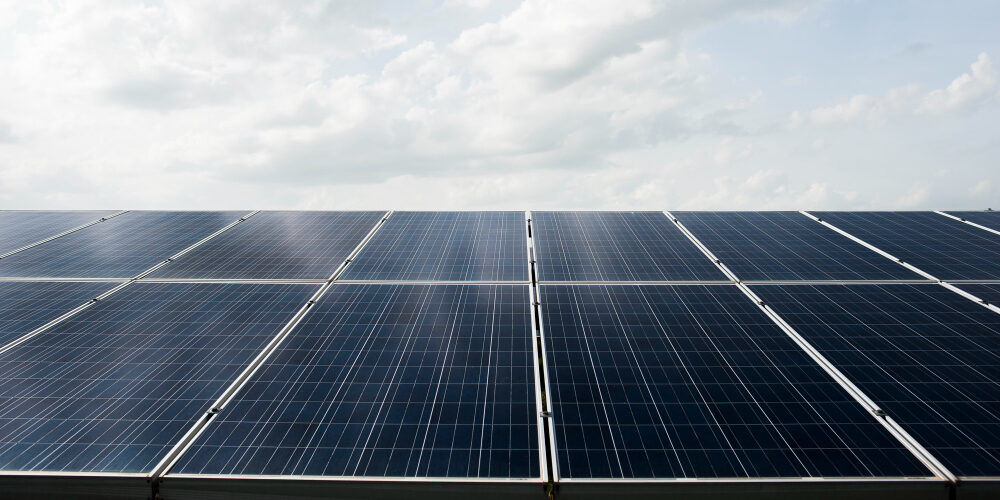
Your roof plays a major role in system performance. Before proceeding, check the following factors:
Roof Orientation and Tilt
In Australia, north-facing roofs typically generate the most solar energy throughout the year. East and west-facing roofs can also perform well, particularly if your usage peaks in the morning or afternoon.
Shading
Shade from trees, neighbouring buildings or chimneys can reduce system output. Even partial shading on one panel may affect the performance of the entire string, depending on system design.
Roof Space and Condition
A 5 kW system generally requires around 25 to 35 square metres of usable roof space. The roof should also be structurally sound and in good condition. If repairs are needed, it is often best to address them before installation.
An experienced installer such as Charlie Sparks Solar will conduct a site assessment to determine the optimal layout and confirm that your roof can support the system safely.
Choose High-Quality Solar Panels and Inverters
The performance and lifespan of your system depend heavily on the quality of its components.
Solar Panels
Look for panels that meet Australian standards and have strong product and performance warranties. High-efficiency panels can generate more electricity in limited roof space.
Inverter
The inverter converts the direct current produced by the panels into usable alternating current for your home. A reliable inverter is essential for consistent output. It should also come with a solid manufacturer warranty and local support.
Working with a reputable provider ensures that you receive equipment suited to Australian conditions, including high temperatures and UV exposure.
If you would like advice on suitable brands and configurations, Charlie Sparks Solar can provide guidance based on your property and energy goals.
Understand the Financial Considerations
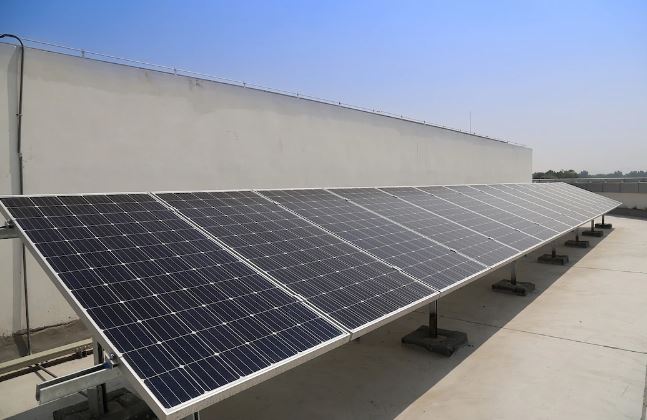
Cost is an important part of what to consider when installing a 5 kW solar power system. While prices have decreased over the years, solar remains a significant investment.
Upfront Costs
The total cost depends on panel quality, inverter type, installation complexity and any additional features such as monitoring systems.
Government Incentives
Australian households may be eligible for Small-scale Technology Certificates, which reduce the upfront price of solar installations. The value of these certificates depends on your location and system size.
Energy Bill Savings
A 5 kW system can significantly reduce your electricity bills, particularly if you use a large portion of your power during daylight hours. Savings are influenced by your tariff structure and feed-in rates offered by your retailer.
Return on Investment
Many Australian homeowners see a return on investment within several years, after which the savings contribute directly to household budgets. A clear cost-benefit analysis can help you understand projected payback periods.
While many households achieve payback within 3 to 5 years, actual results depend on self-consumption rates, electricity tariff structures, and future energy price changes. A written savings projection based on your real usage data provides a more reliable estimate than generic calculators.
For a detailed financial breakdown specific to your property, you can speak with Charlie Sparks Solar for an obligation-free assessment.
Review Warranties and Maintenance Requirements
A solar system is designed to operate for decades, so warranties are critical.
- Solar panels often come with performance warranties of 25 years.
- Inverters typically have warranties ranging from 5 to 12 years, depending on brand and model.
- Installation workmanship warranties should also be clarified with your installer.
Maintenance requirements are generally low, but periodic cleaning and system checks may improve performance. In dusty or coastal regions, cleaning may be required more frequently to maintain output levels.
Monitoring systems can also help track performance and detect issues early.
Choose a Qualified Australian Installer
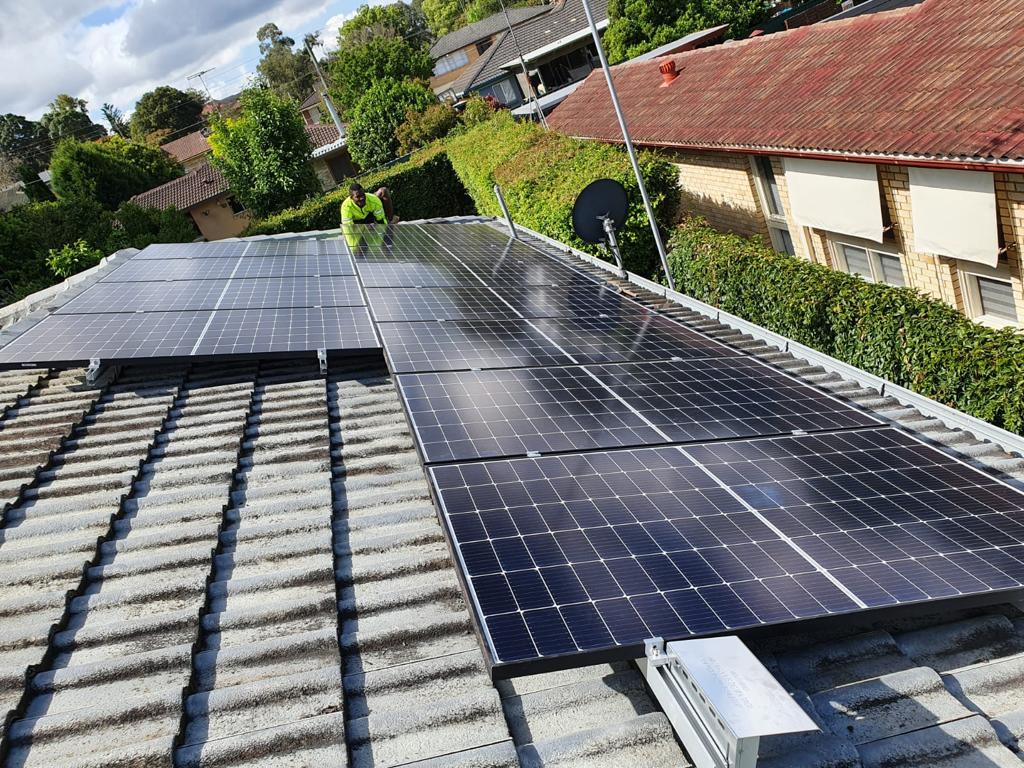
Professional installation is essential for system safety, performance and compliance. In Australia, installers must be accredited and adhere to national standards.
A reputable provider will manage:
- System design
- Site inspection
- Permit applications if required
- Grid connection paperwork
- Installation and commissioning
Ensure your installer uses Clean Energy Council accredited installers and provides documentation confirming compliance with Australian Standards such as AS/NZS 5033 and AS/NZS 4777. Proper certification protects your warranty, insurance eligibility, and grid connection approval.
Charlie Sparks Solar has extensive experience delivering residential solar systems across Australia. Their qualified team designs systems that align with household consumption patterns and roof characteristics.
If you are comparing providers, consider arranging a consultation with Charlie Sparks Solar to discuss your options and clarify any technical questions.
Long-Term Performance and Future Planning
Solar installation should be viewed as a long-term household investment. When planning your 5 kW system, also consider:
- Future appliance upgrades, such as electric vehicles
- Potential battery storage additions
- Changes in family size or occupancy
Choosing an inverter that is battery-ready may allow you to add storage later without replacing major components.
By planning ahead, you can maximise the value of your system over time.
Frequently Asked Questions
How do I determine if a 5 kW solar power system suits my energy needs?
Review your electricity bills to identify your average daily consumption. If your household uses around 18 to 22 kWh per day and much of that usage occurs during daylight hours, a 5 kW system may be appropriate. A professional energy assessment can provide more accurate guidance.
Are my roof conditions suitable for solar panel installation?
Your roof should have sufficient space, minimal shading and a structurally sound surface. North-facing roofs typically offer the best output in Australia, though east and west orientations can also be effective. A site inspection by a qualified installer will confirm suitability.
How long does installation take?
Most residential 5 kW systems can be installed within one day, depending on roof complexity and weather conditions. Grid connection approval may take additional time.
How much maintenance does a 5 kW system require?
Maintenance is generally minimal. Occasional cleaning and monitoring of system performance are recommended. Your installer can advise on a suitable maintenance schedule for your location.
Can I add a battery later?
Yes, many systems can be upgraded with battery storage, particularly if a compatible inverter is installed from the outset.
Take the Next Step
Understanding what to consider when installing a 5 kW solar power system helps you make informed decisions that support long-term savings and environmental benefits. From energy usage and roof suitability to product quality and installer credentials, each factor plays a role in overall performance.
If you would like personalised advice on whether a 5 kW system is right for your home, contact Charlie Sparks Solar to arrange a consultation.
Ready to reduce your power bills and invest in clean energy? Speak with Charlie Sparks Solar today and request your detailed solar quote.